80 Years of the Beetle: How a Tiny German Car Accidentally Took Over the World
There are cars that sell well; Cars that win races; Cars that define decades…
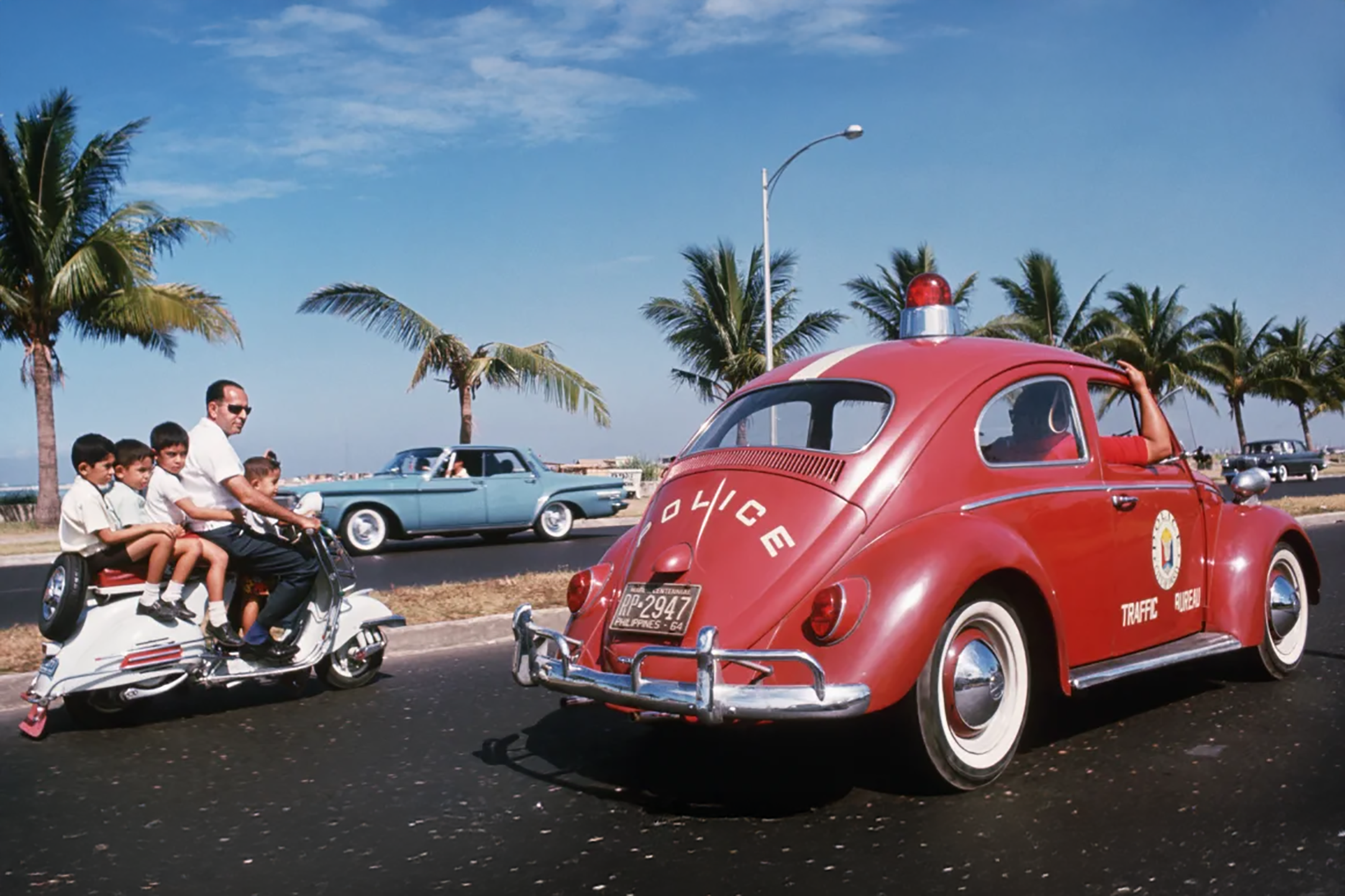
And then there’s the Volkswagen Beetle - a car that refuses to die, refuses to be forgotten, and somehow still feels relevant 80 years after it properly began.
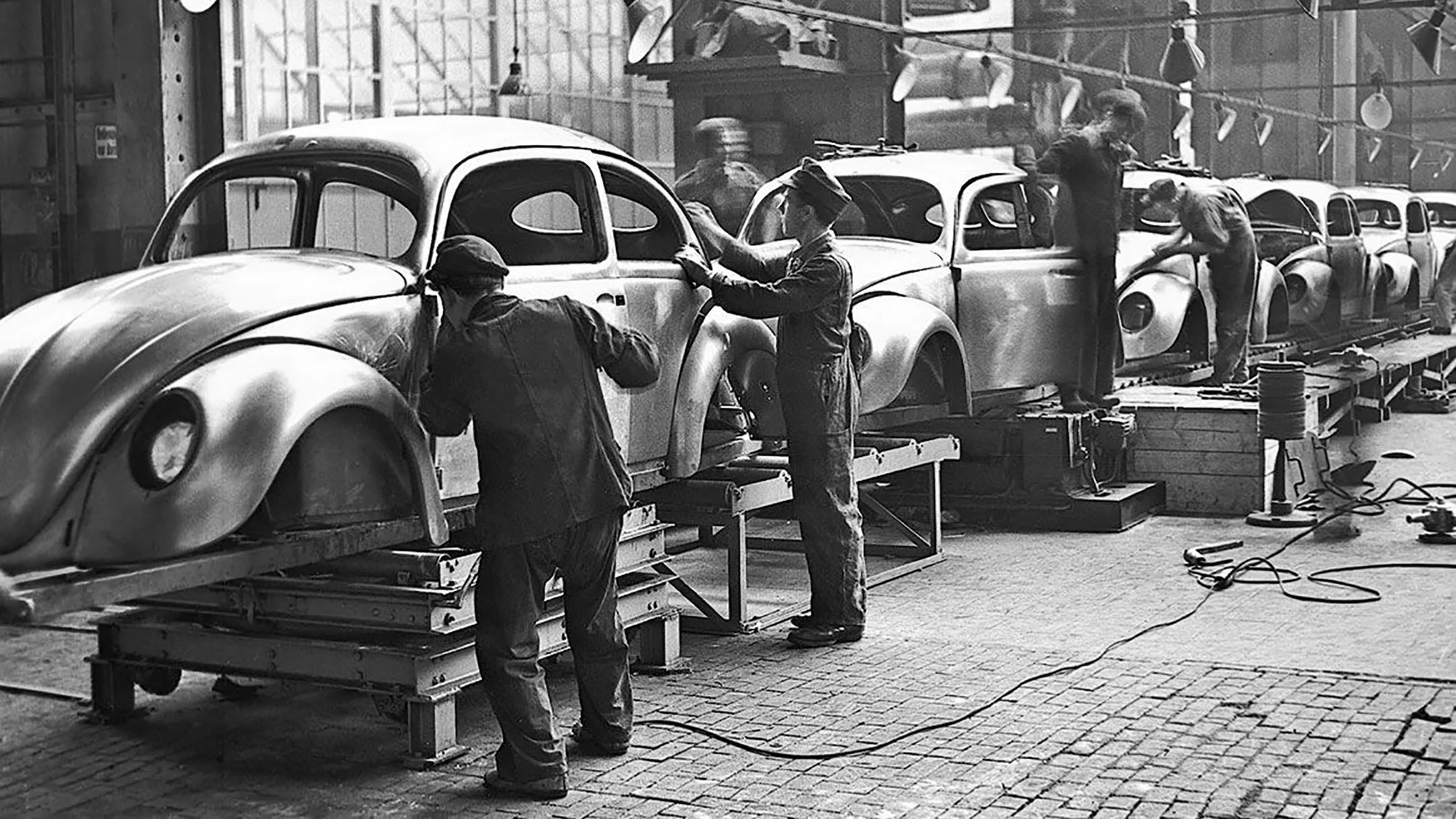
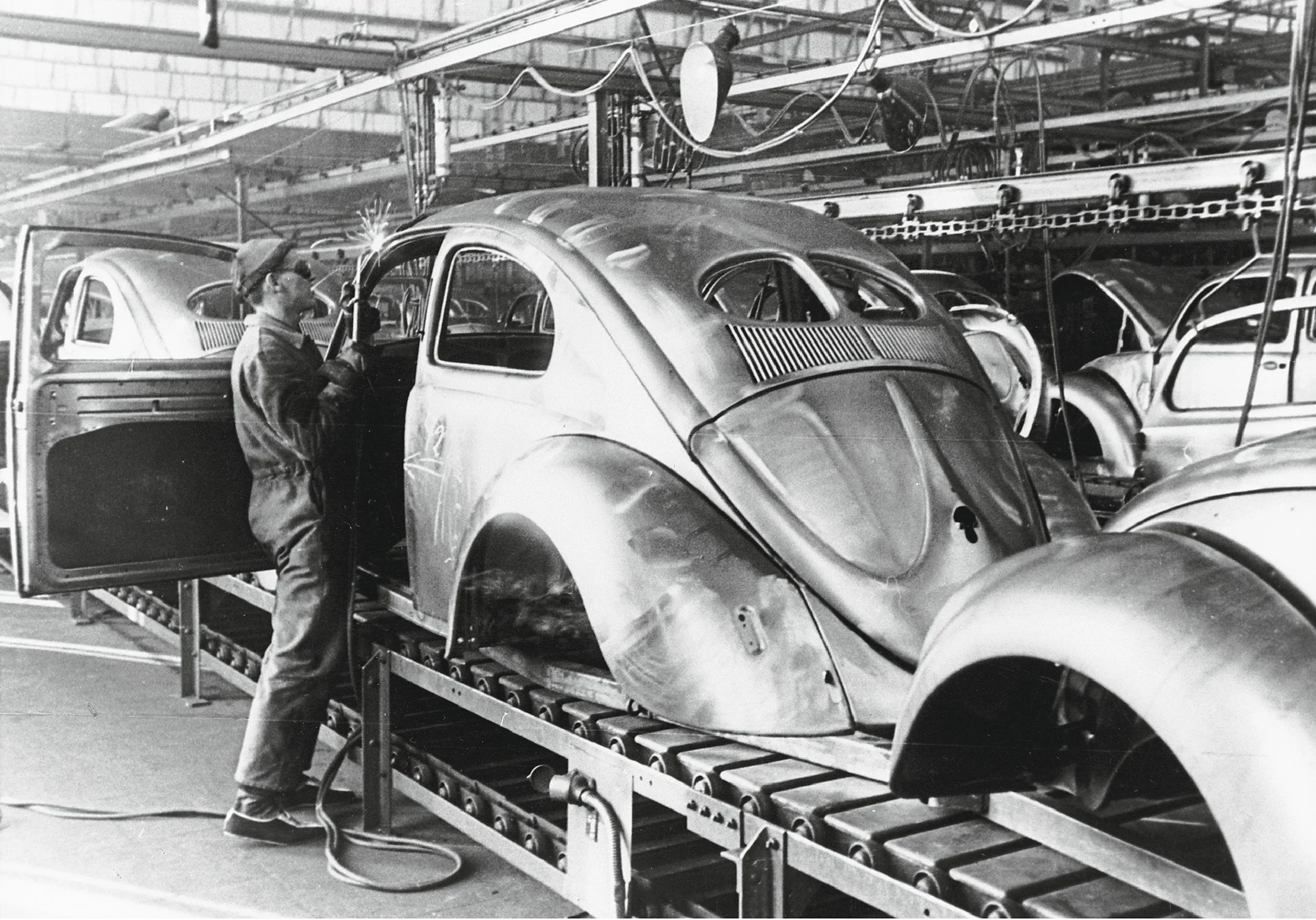
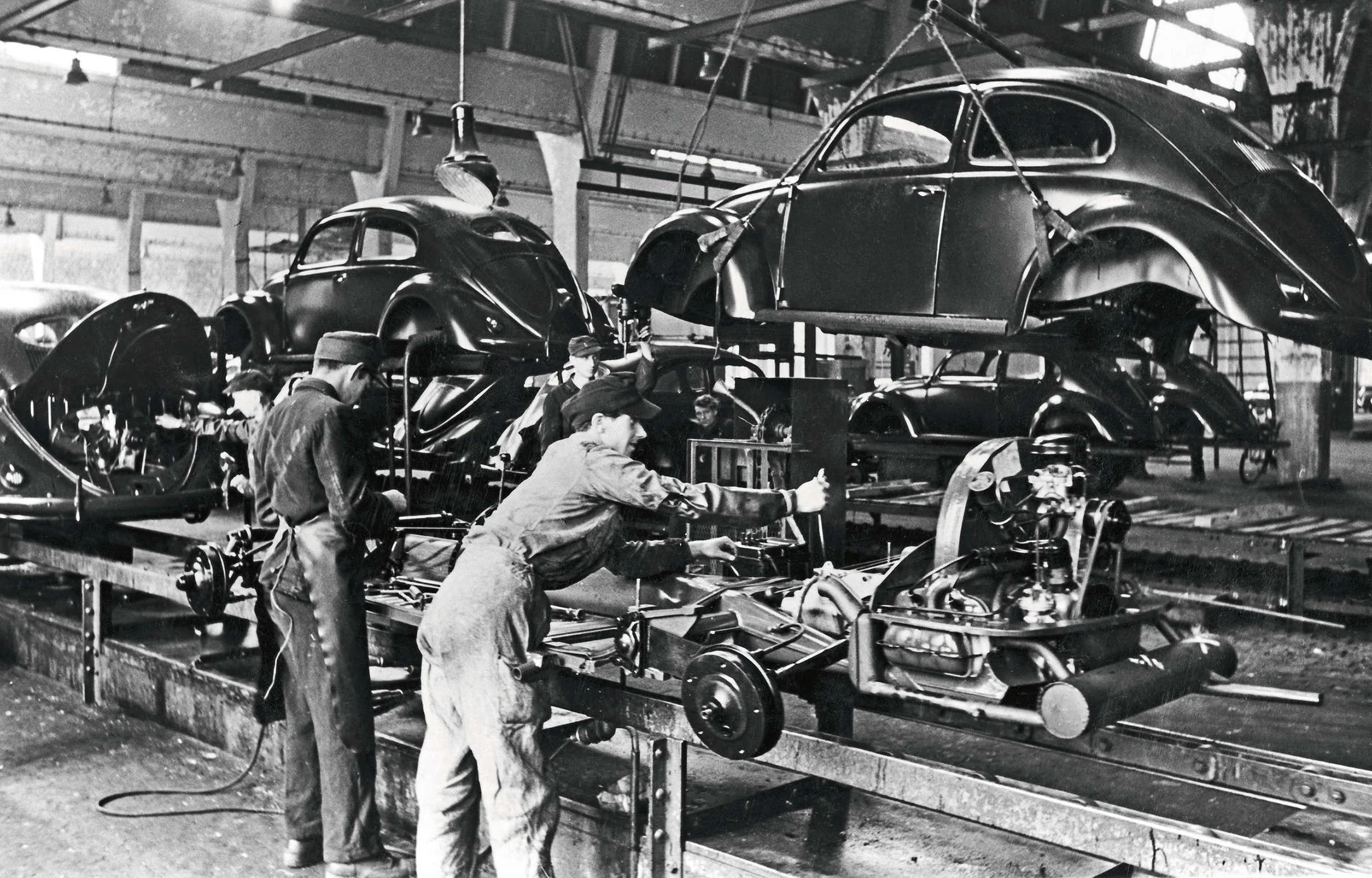
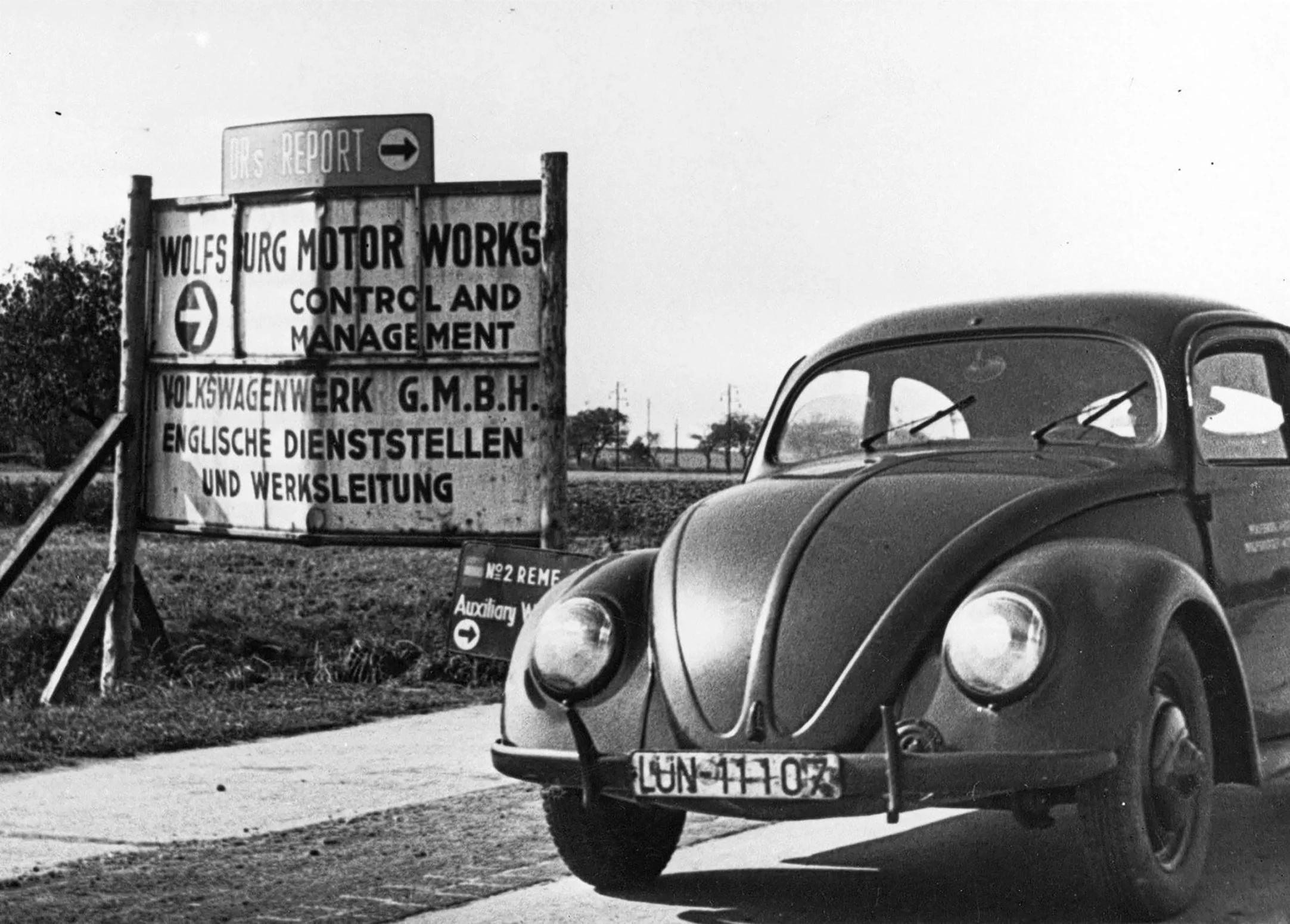
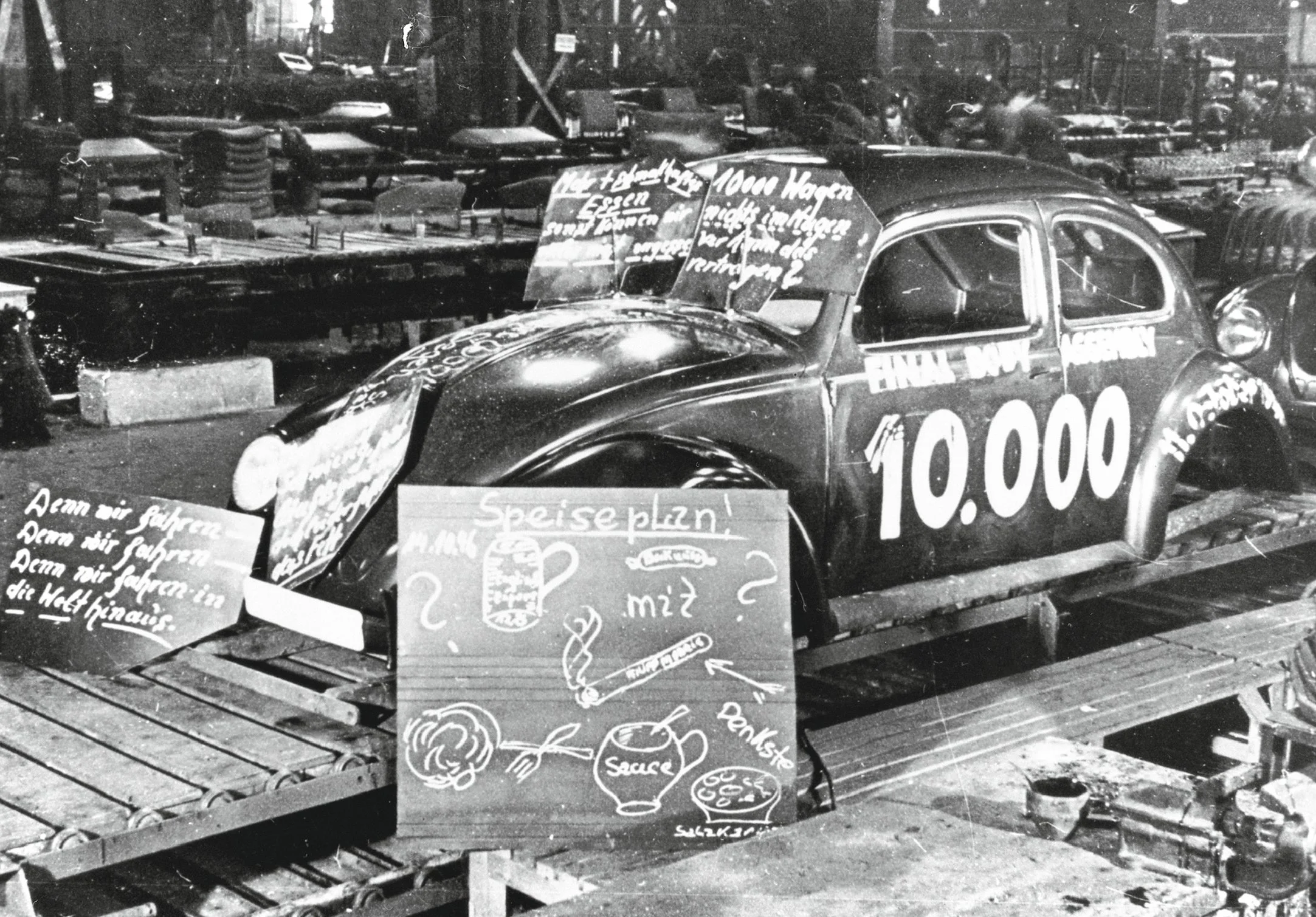
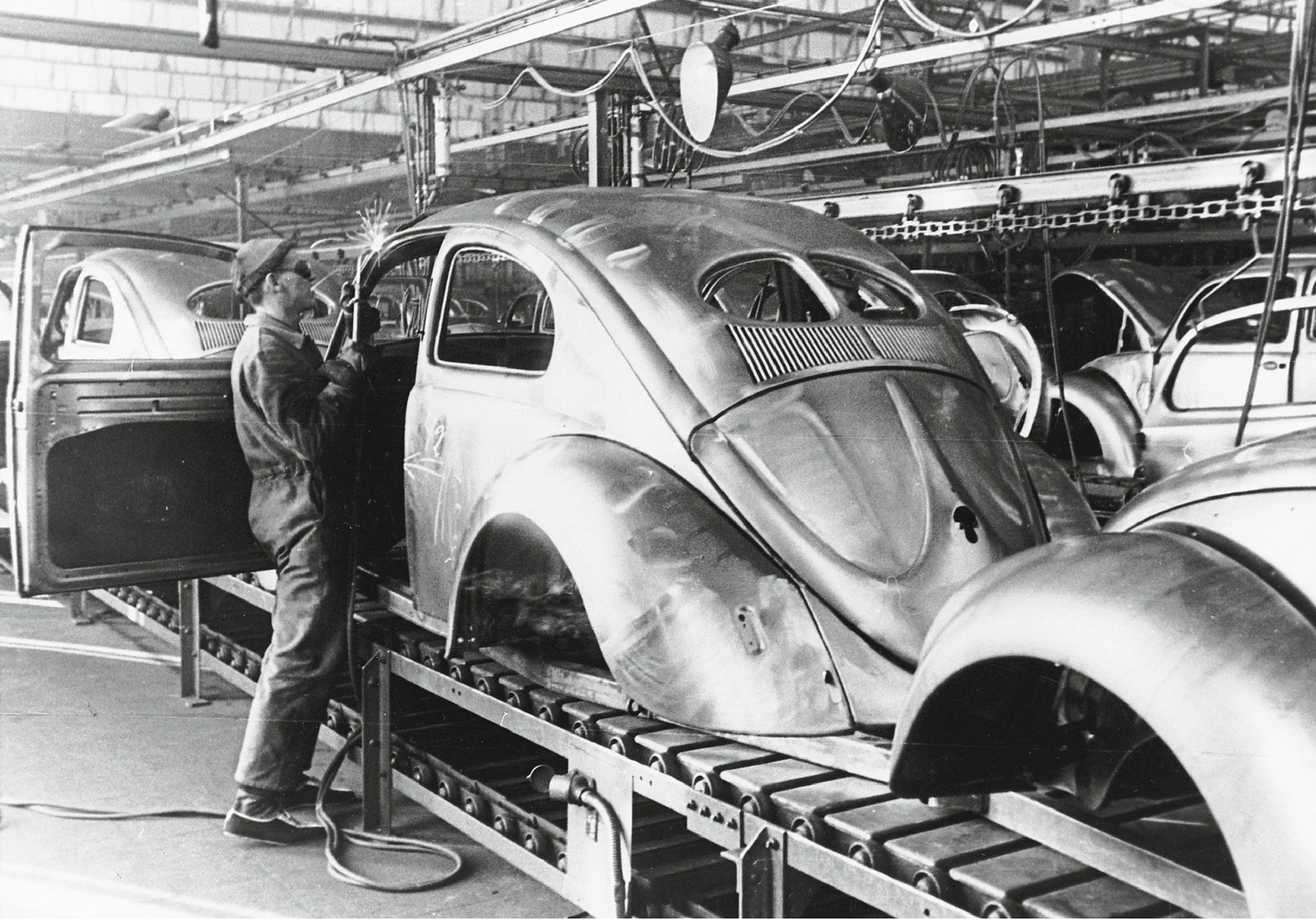
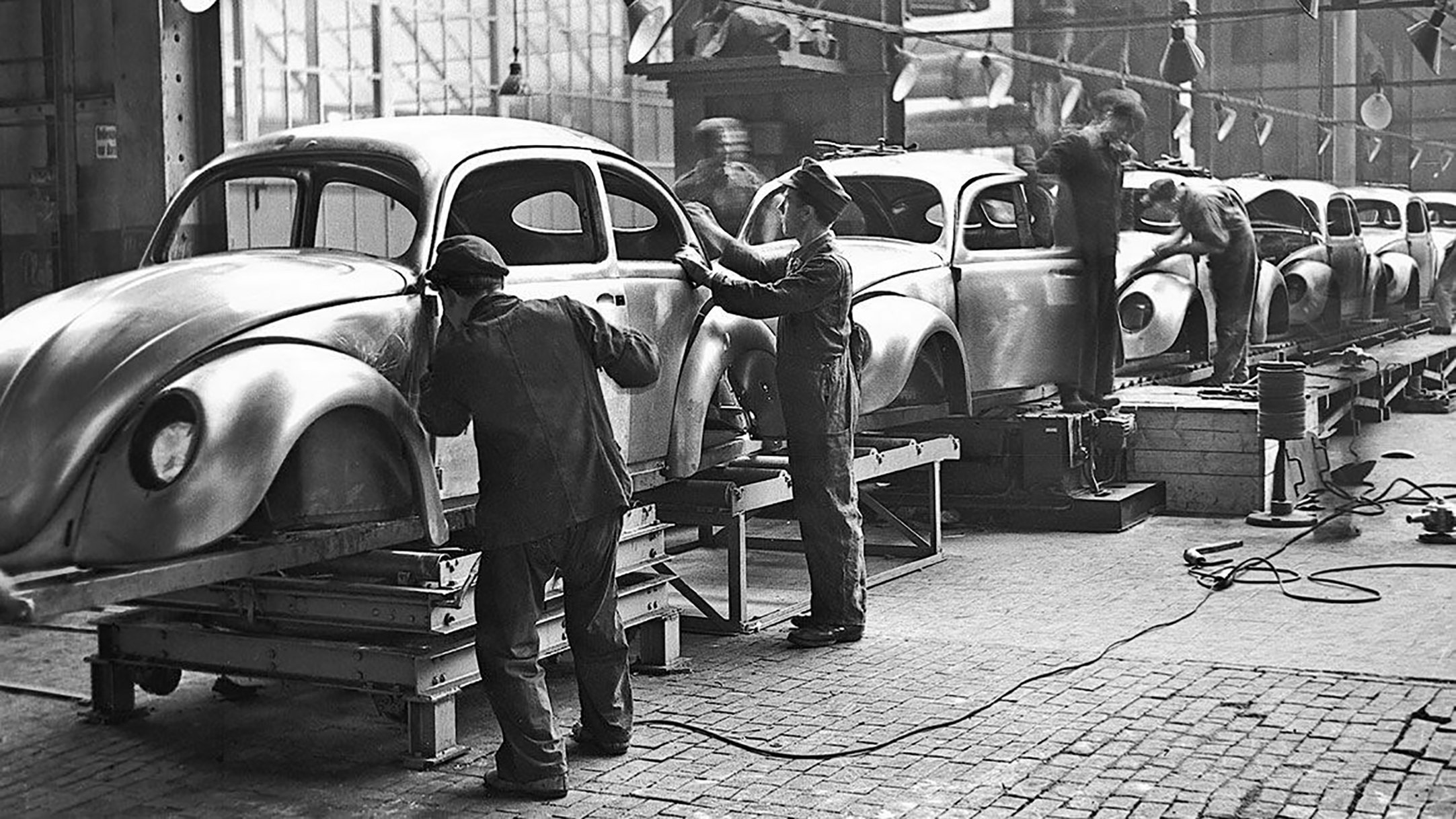
On December 27, 1945, in a war struck factory in Wolfsburg, Germany, mass civilian production of the Volkswagen Type 1 officially began. No hype, no champagne launch. No focus groups, no branding workshop or cinematic unveil. Just a few dozen cars rolling out of a shattered industrial landscape across the rubble of a lost war under British military supervision.
That moment quietly kicked off one of the strangest, longest, and most culturally loaded success stories in modern design and engineering.
Eighty years later, we’re still talking about it.
A car born from a bad origin story - Saved by a better afterlife.
Volkswagen didn’t start off as a cool brand.
It began as a concept - literally the people’s car - imagined in 1930s Germany, shaped by ideology, and tangled deeply in the politics of the time. The early Beetle prototypes were called the KdF-Wagen, tied to one of the darkest regimes in history, which the brand has never hidden from, but also never glorified.
Then the war happened.
The Wolfsburg plant stopped building cars and started building weapons. The dream stalled. The factory was bombed. The future looked disposable. By 1945 it was wreckage and scrap metal.
This is usually where stories end… Instead, a British army officer looked at the mess and said: Don’t blow it up. Turn it back on.
Major Ivan Hirst didn’t save Volkswagen because it was beautiful or symbolic. Instead of demolishing the plant, Hirst restarted it - not as propaganda or prestige, but as something brutally useful. The British needed transport. Germany needed work. People needed jobs.
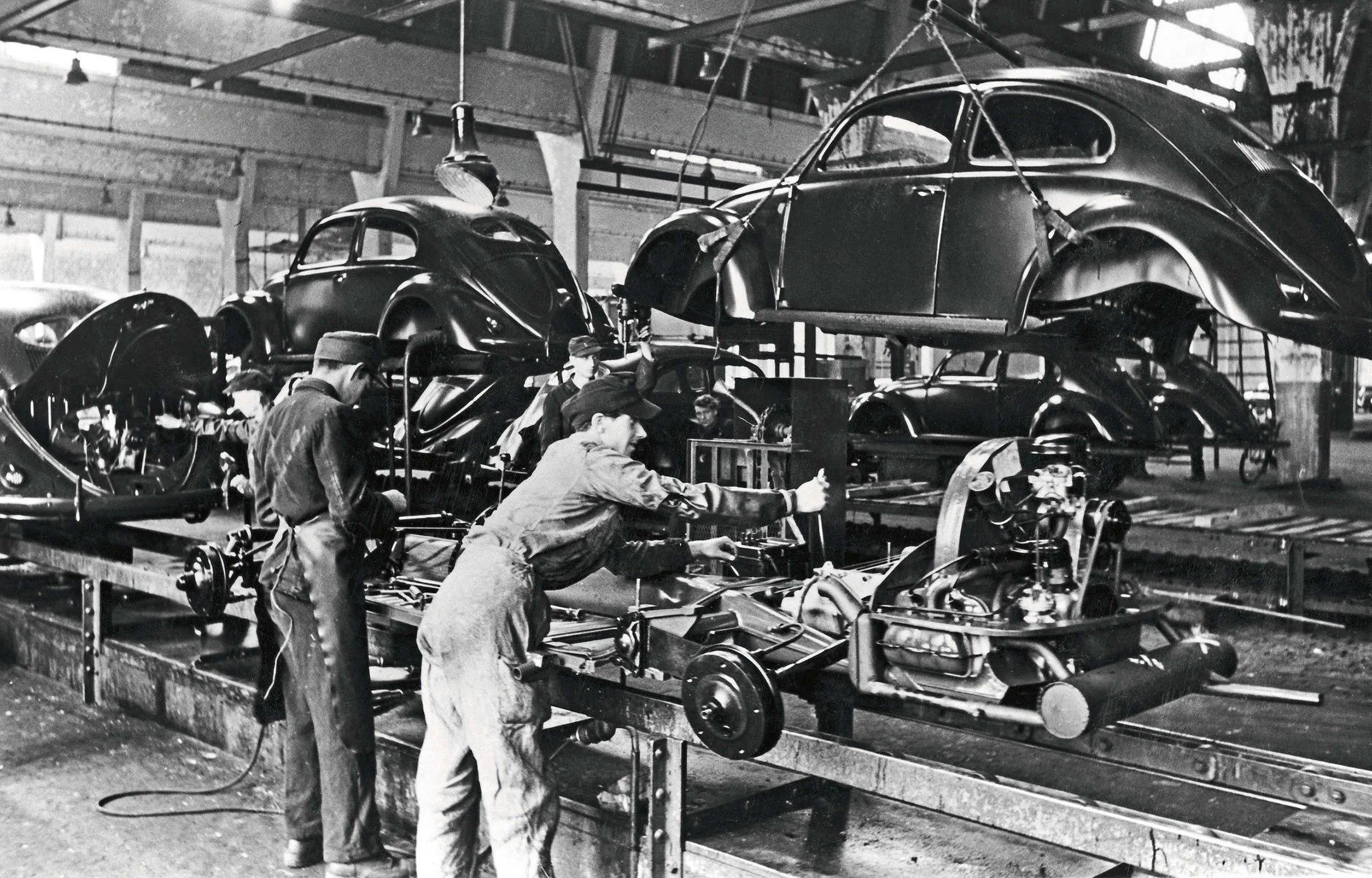
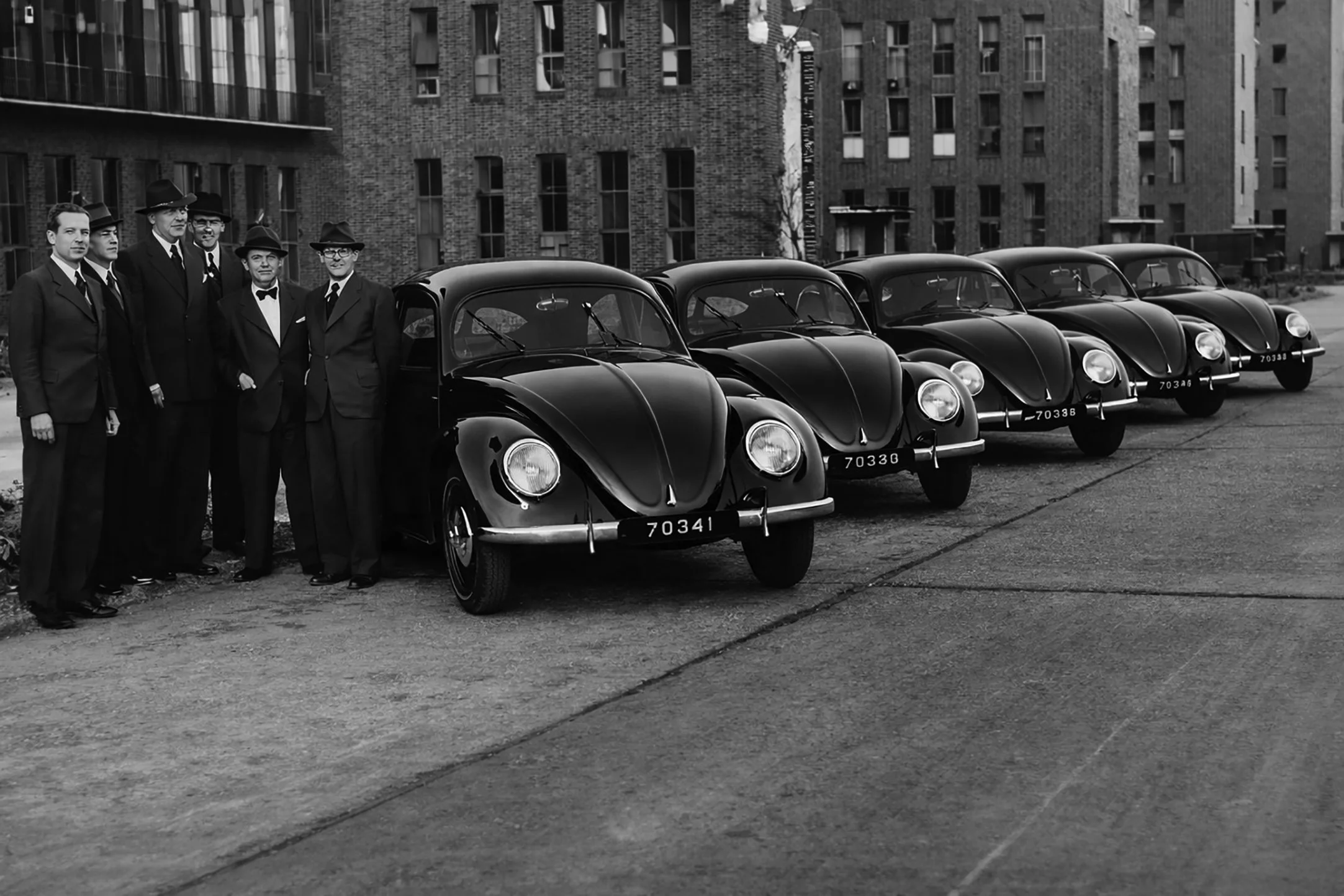
So, against all odds, the Beetle survived its own origin story. The British military ordered 20,000 cars in 1945 for transport and logistics. Civilian production followed. Democracy followed. A works council was elected. Exports began in 1947.
The World’s Most Unkillable Design
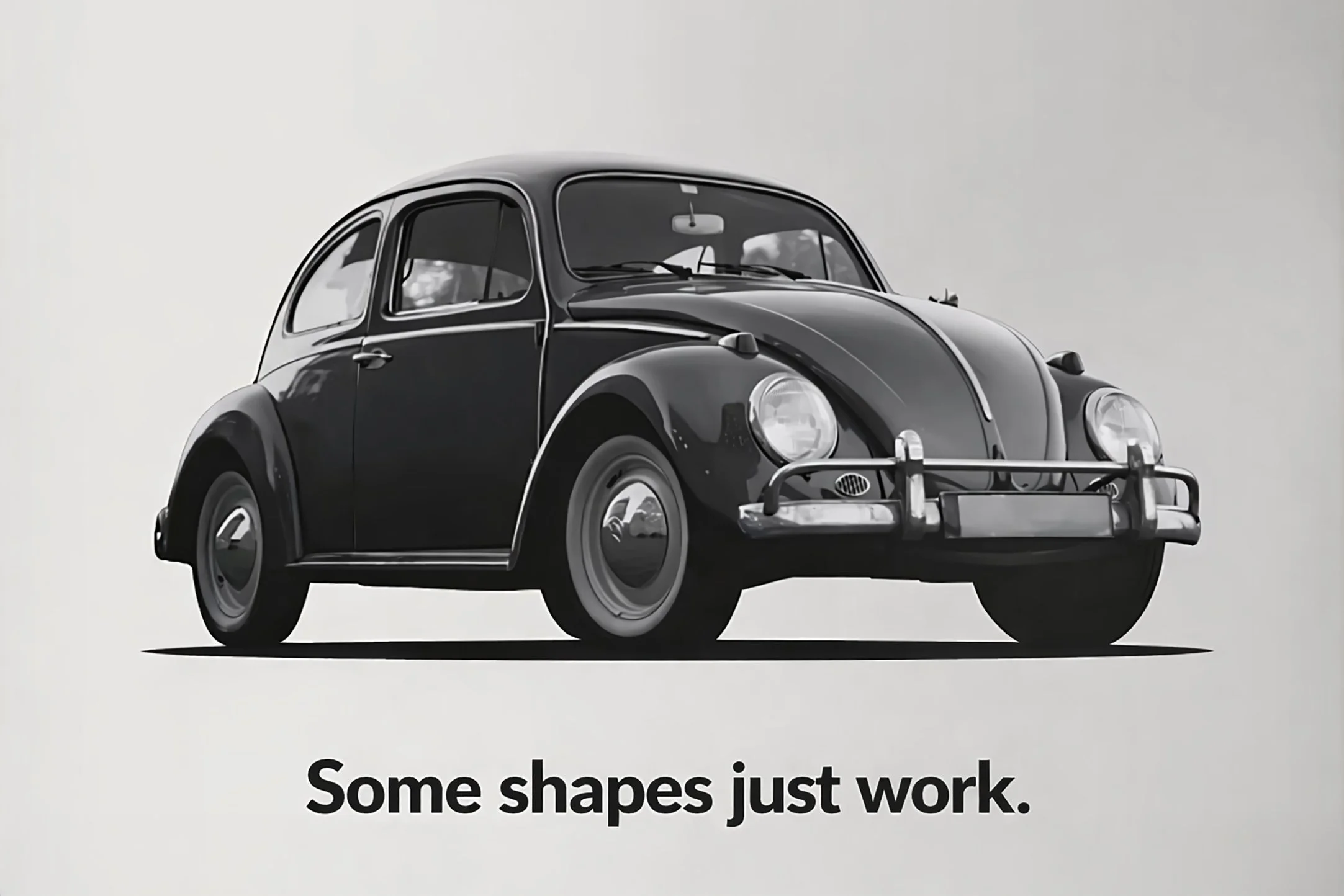
The Beetle didn’t succeed because it was sexy. It succeeded because it didn’t care if you loved it.
No frills. No radiator. No coolant. No fragile nonsense. An air-cooled engine bolted to the back. A chassis you could unbolt, rebuild, and abuse.
You didn’t need a specialist. You didn’t need a dealership. You didn’t really even need to know what you were doing; and that was the point.
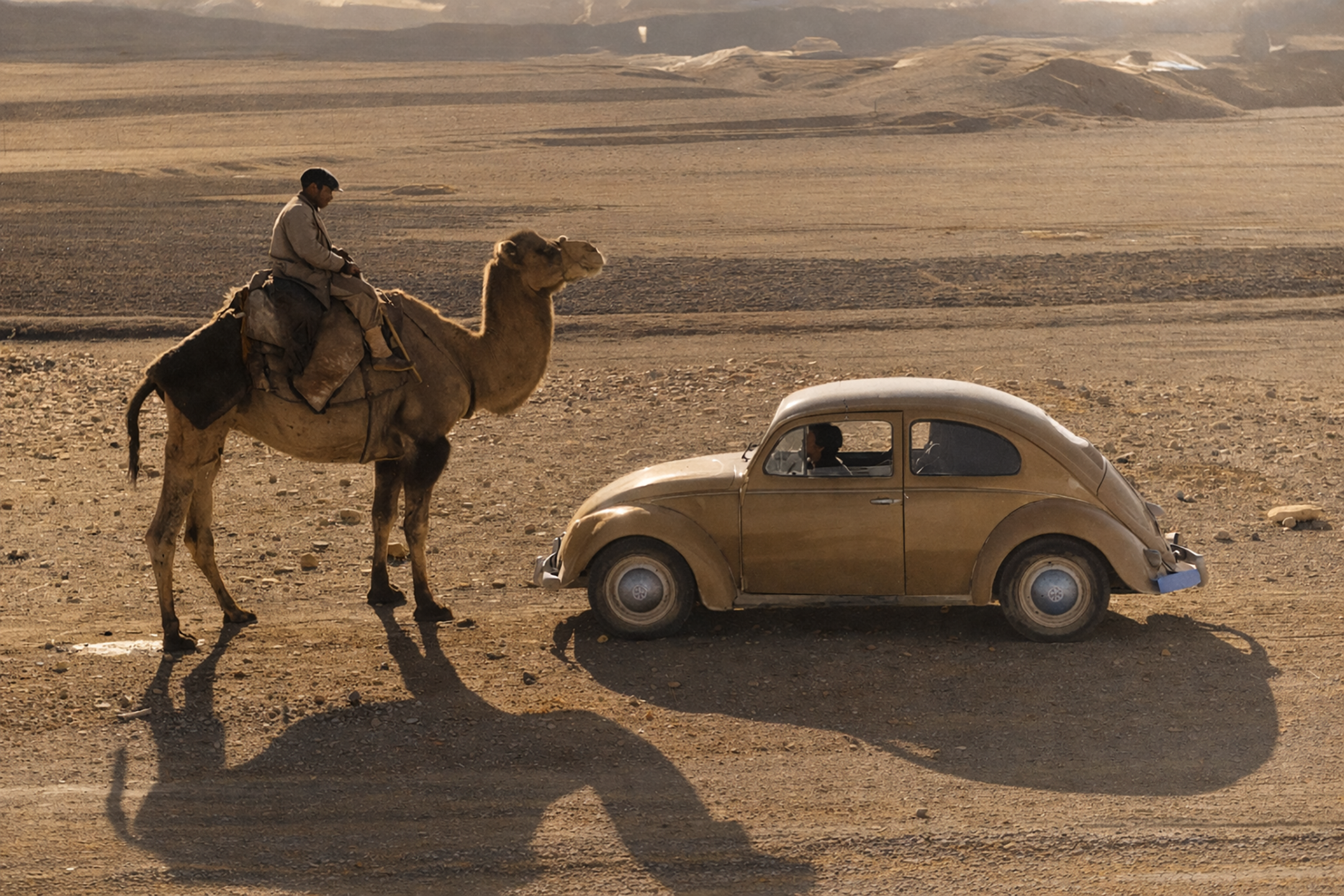
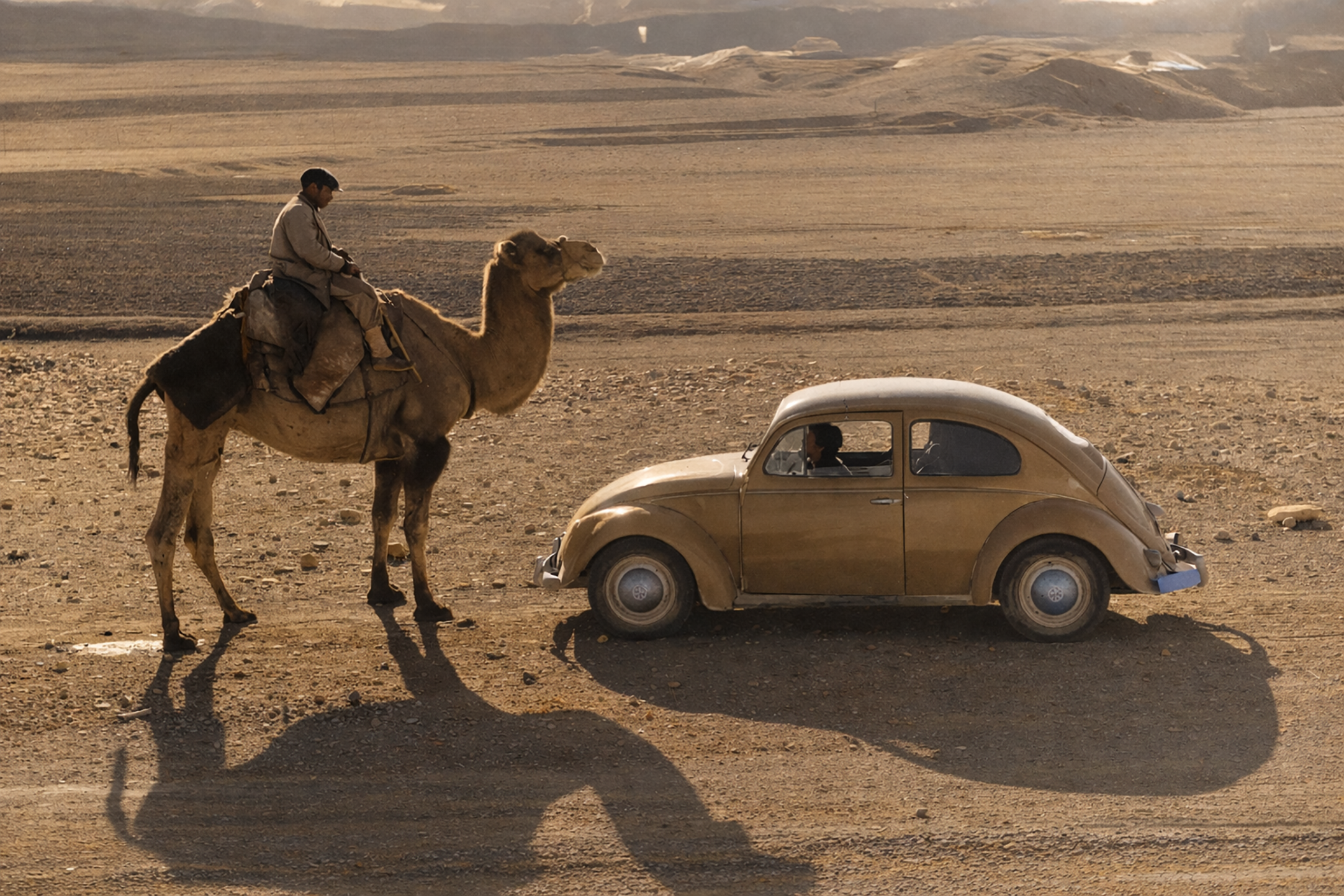
The car ran in deserts, in snow, on roads that barely existed. It forgave neglect and it survived stupidity. It kept going when better cars quit. By the time anyone noticed, the Volkswagen Beetle was everywhere.
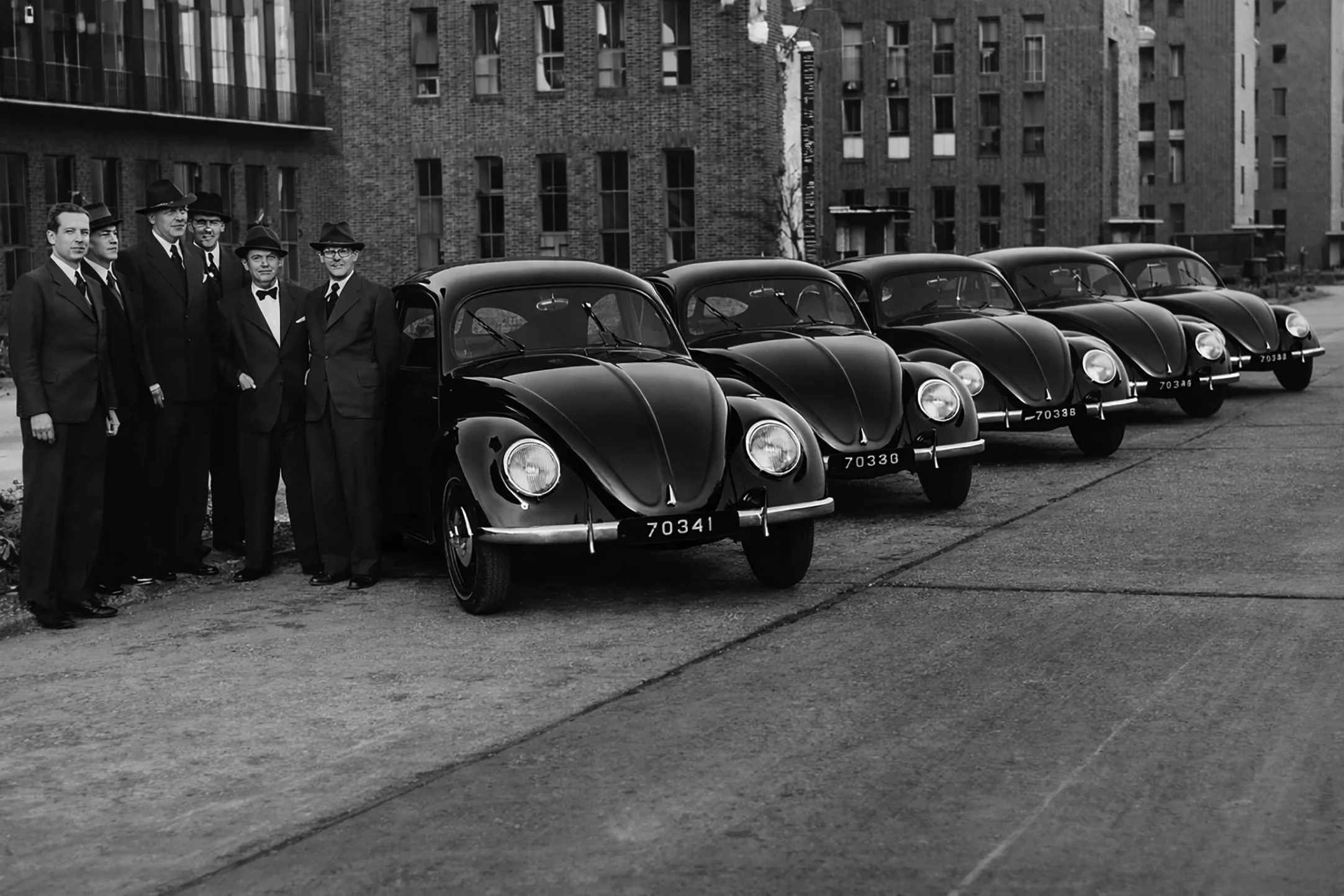
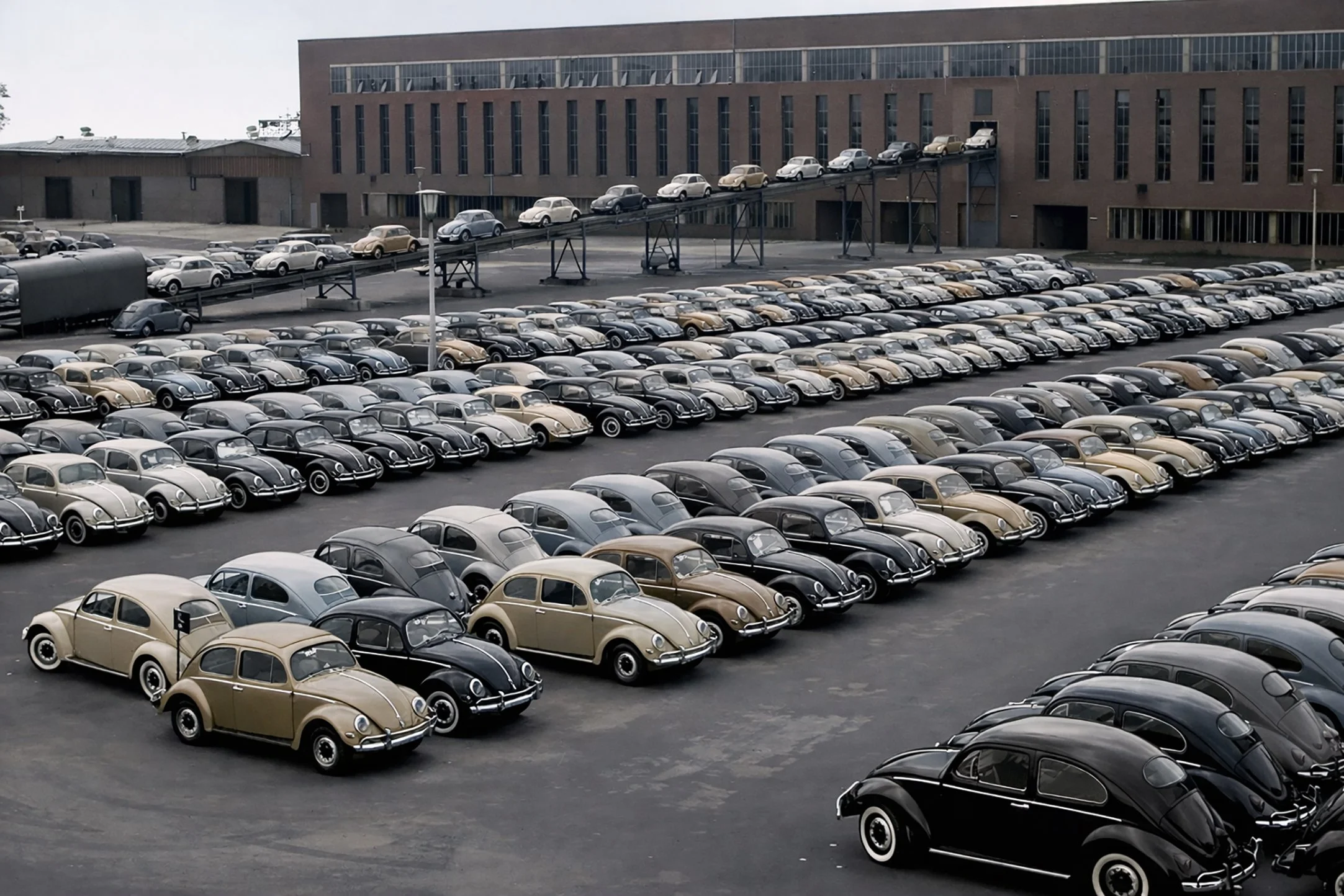
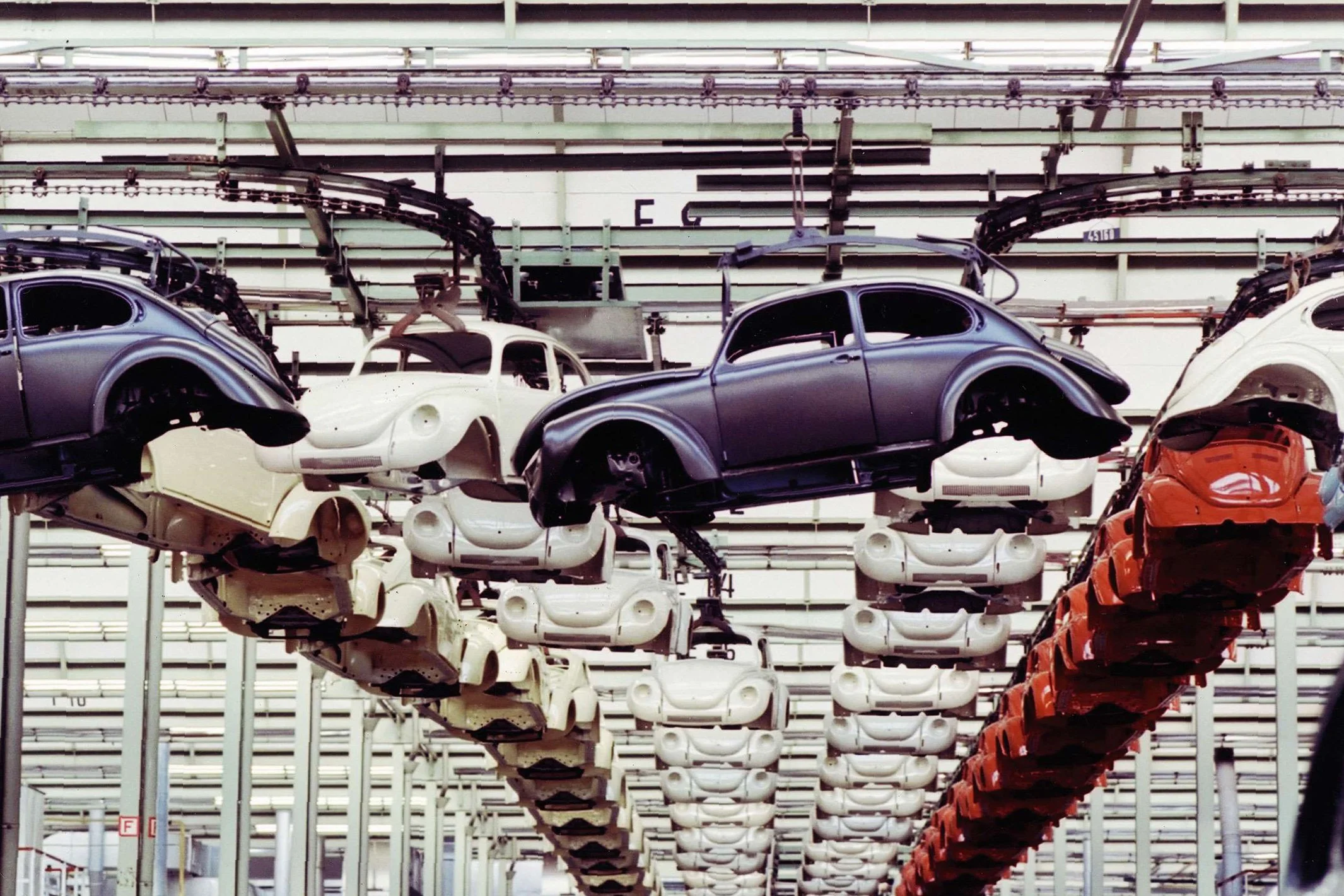
By 1950, Wolfsburg had built 100,000 Beetles.
By 1972, the Beetle officially surpassed the Ford Model T as the most produced car in history.
By 2003, when the final Beetle rolled out of Mexico, 21.5 million had been made.
That’s not just success. That’s obsession on a planetary scale.
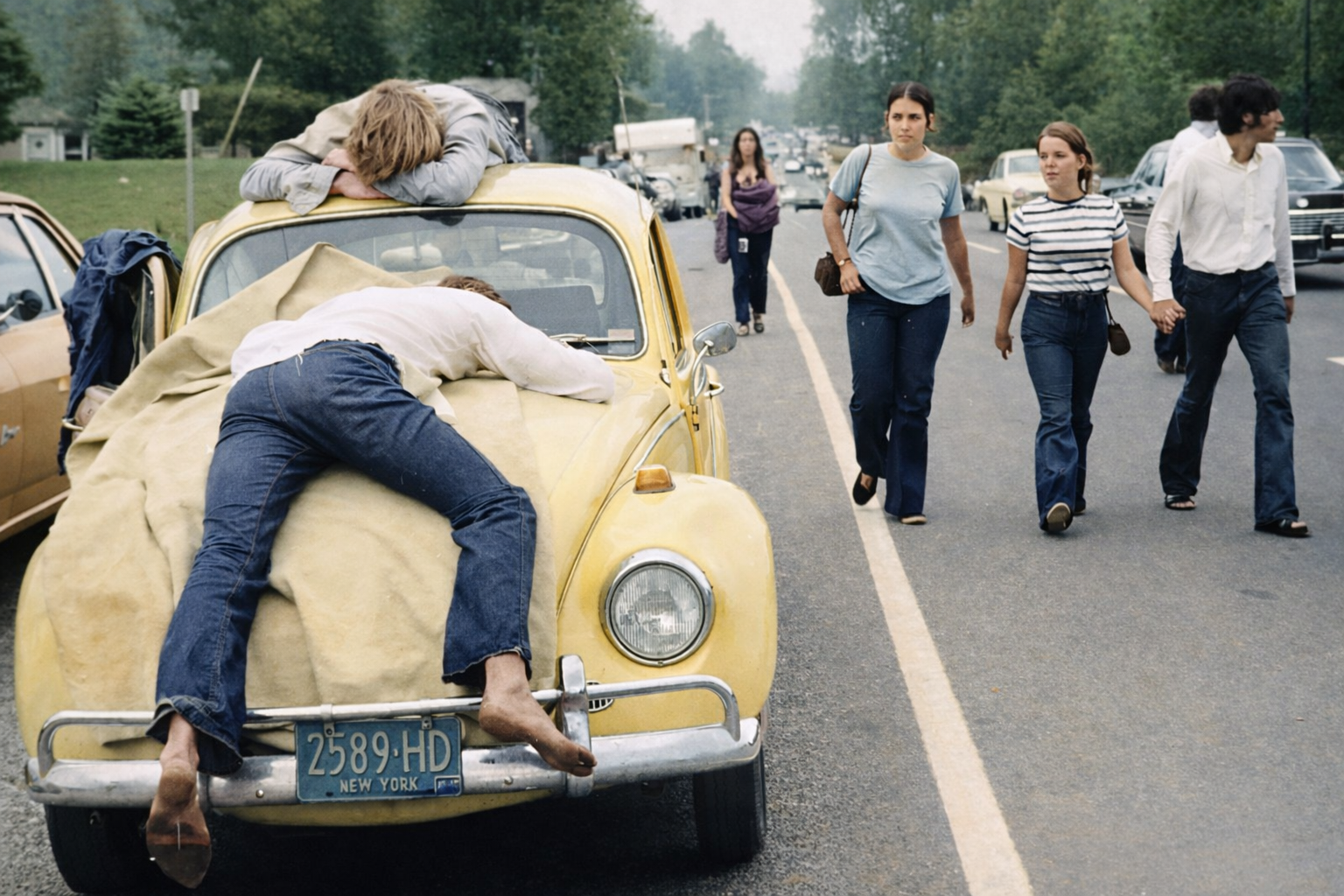
From Wirtschaftswunder to Woodstock – the World’s most unlikely counter-culture icon.
By the 1950s, the Beetle was rolling proof that West Germany was back on its feet - a mechanical symbol of the Wirtschaftswunder, the economic miracle.
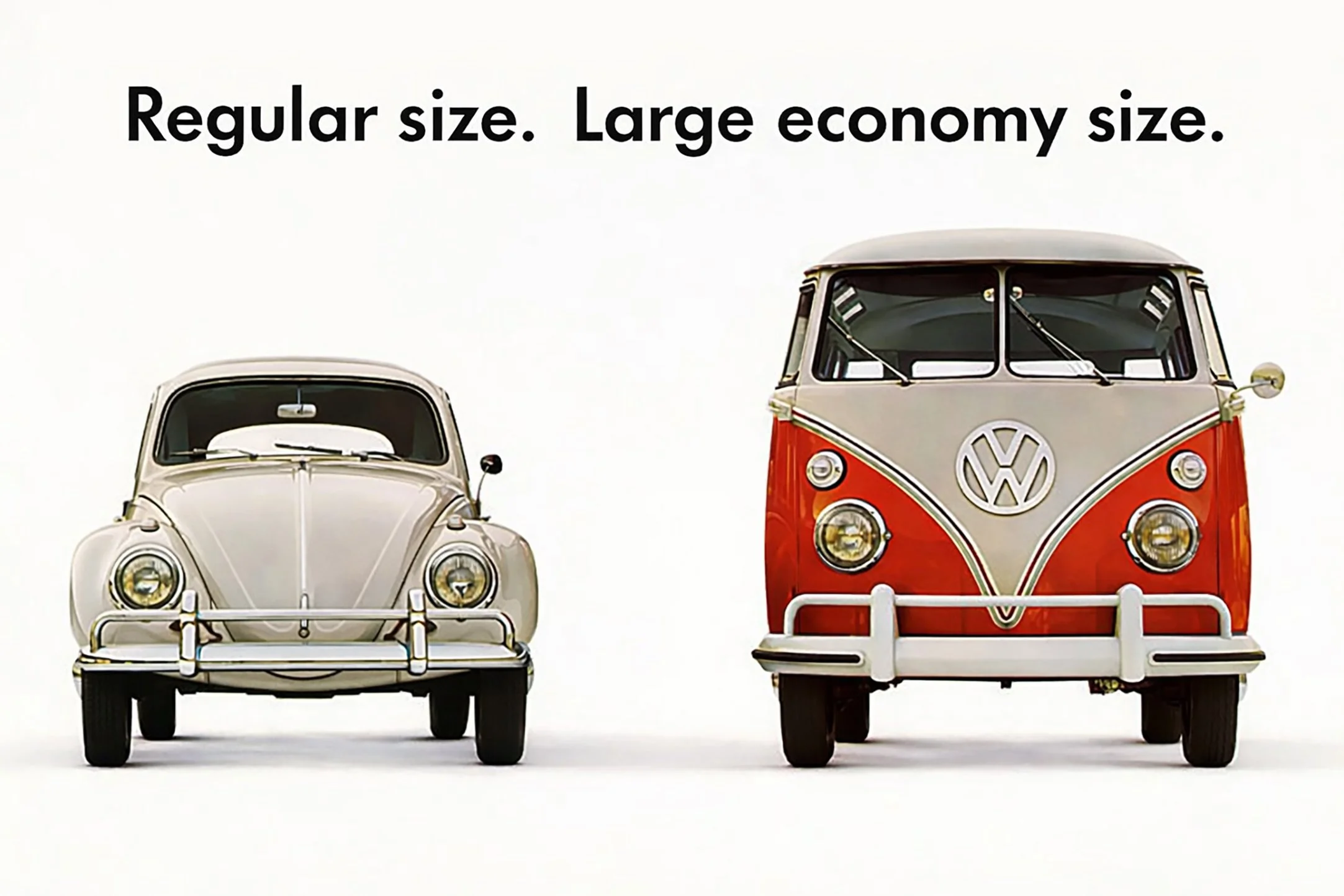
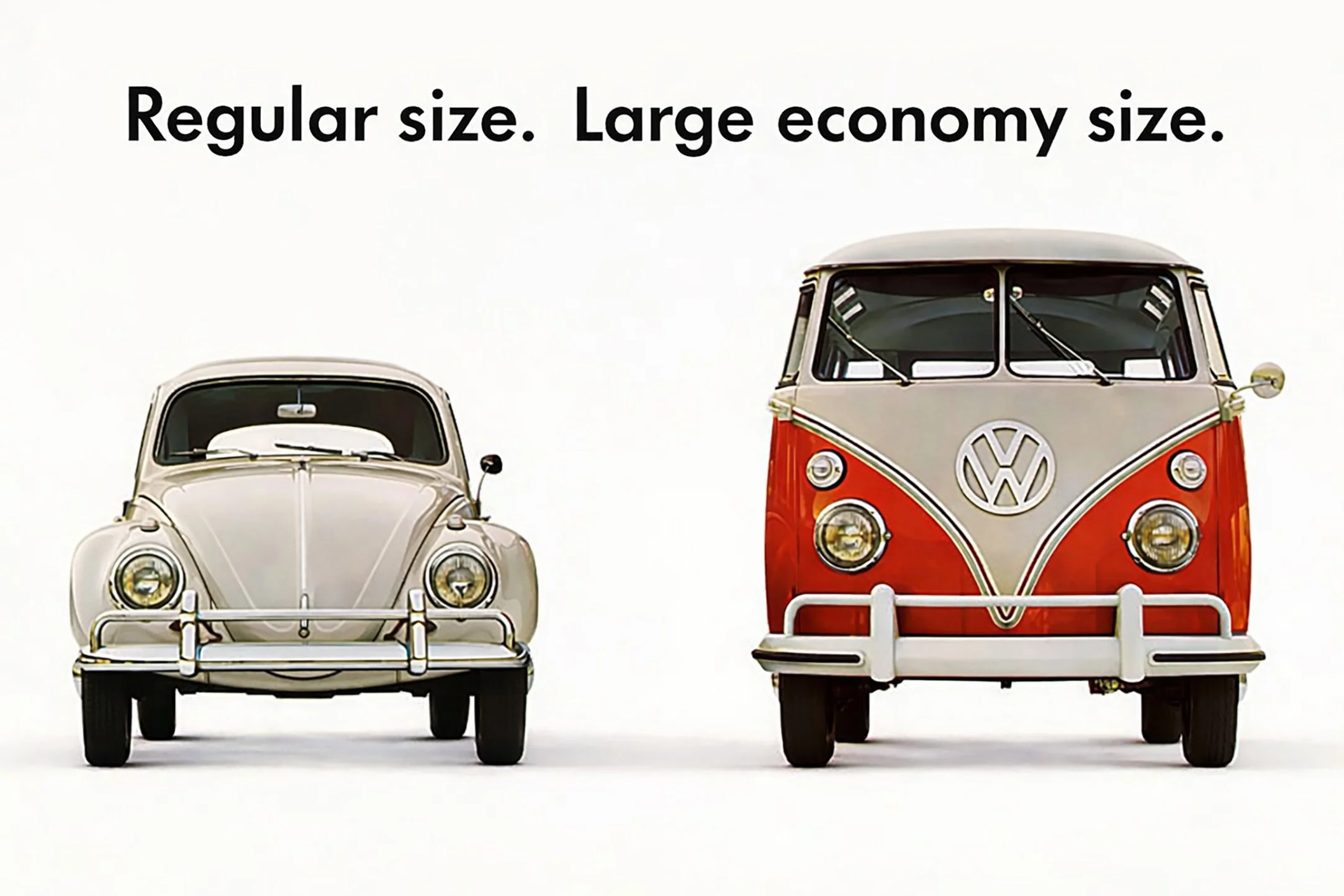
Then it crossed oceans to the US. It was cheap, weird, and defiantly un-American, which is exactly why people loved it. While Detroit pushed chrome, tail-fins and excess, Volkswagen ran ads that openly mocked itself:
“If you run out of gas, it’s still the most reliable car you can buy.”
That wasn’t marketing polish. That was punk before punk knew it existed.
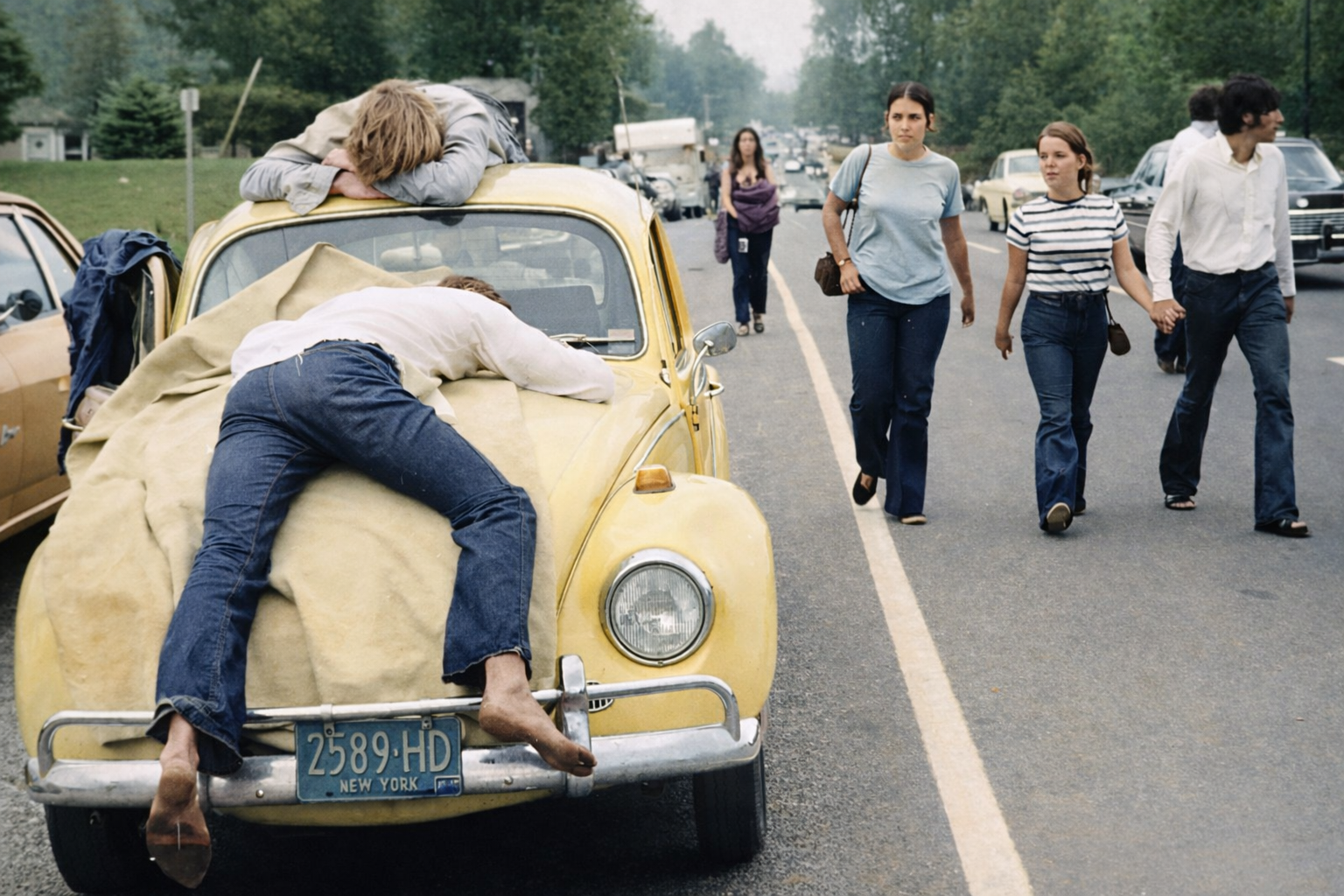
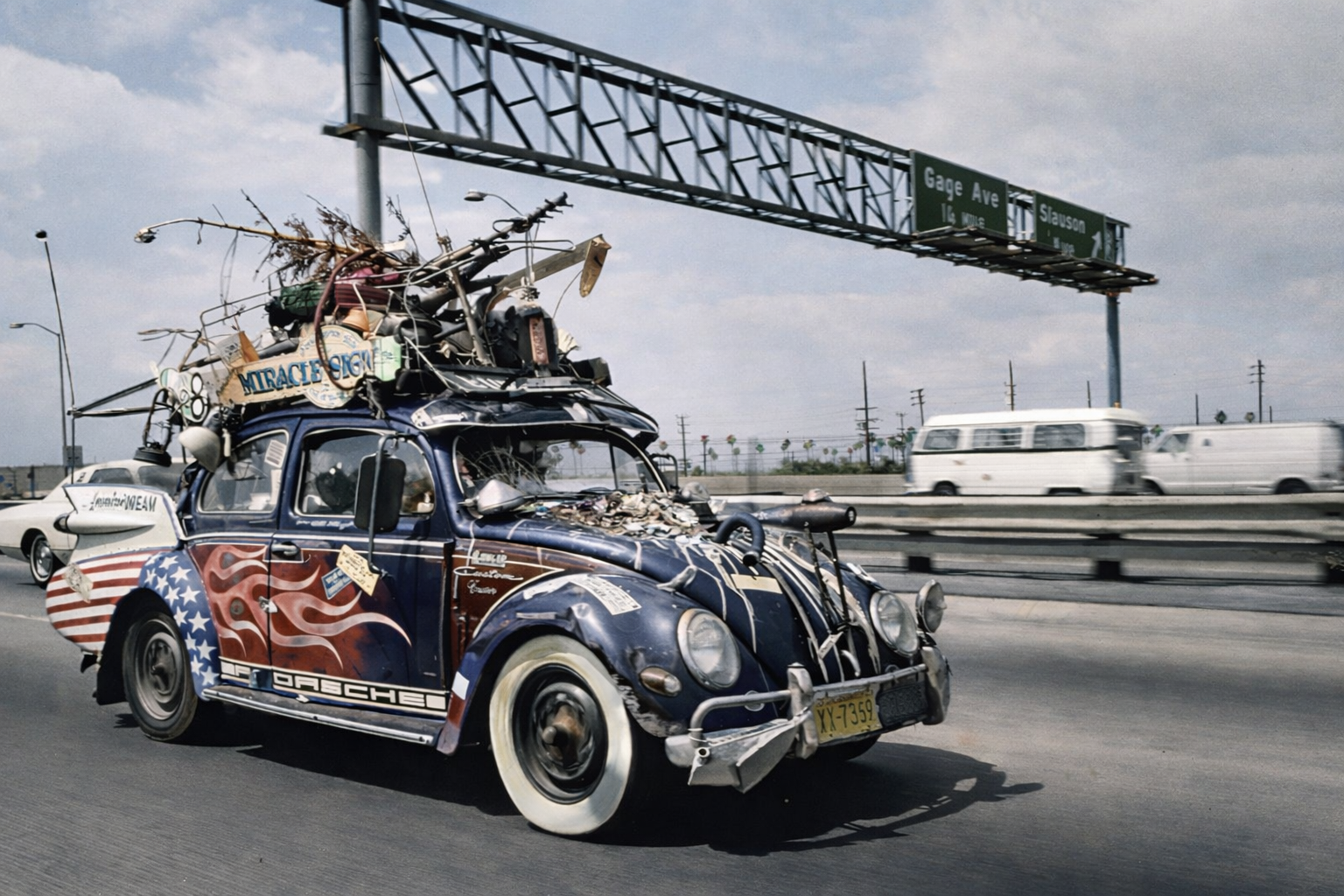
By the 1960s, the Beetle had been adopted by surfers, students, artists, hippies, and counter-culture movements who didn’t trust big corporations; ironically turning Volkswagen into one of the most culturally embedded brands on Earth.
The Beetle didn’t just sell cars, it sold attitude.
An Air-Cooled Takeover
The Beetle wasn’t a one-hit wonder. It infected everything, a mechanical strand of DNA that spawned an entire ecosystem.
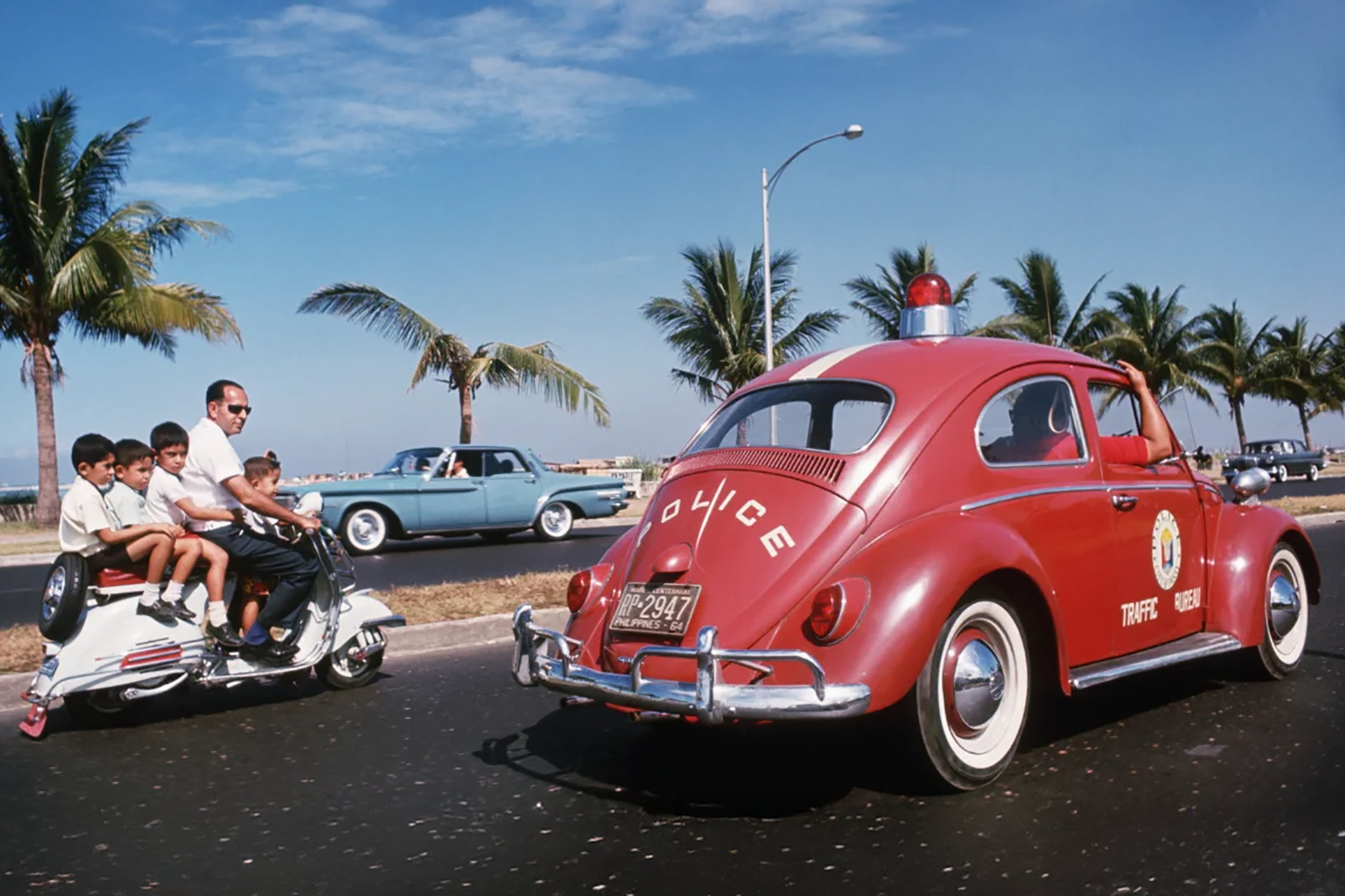
The Bus became a rolling home, a protest vehicle, a surf shack, a family wagon, a police van, a hearse. The Karmann Ghia wrapped Italian beauty around Beetle bones. Type 3s and Type 4s, misunderstood, fuel-injected, pancake-engined pioneers.
The Thing stripped everything back to metal and bolts.
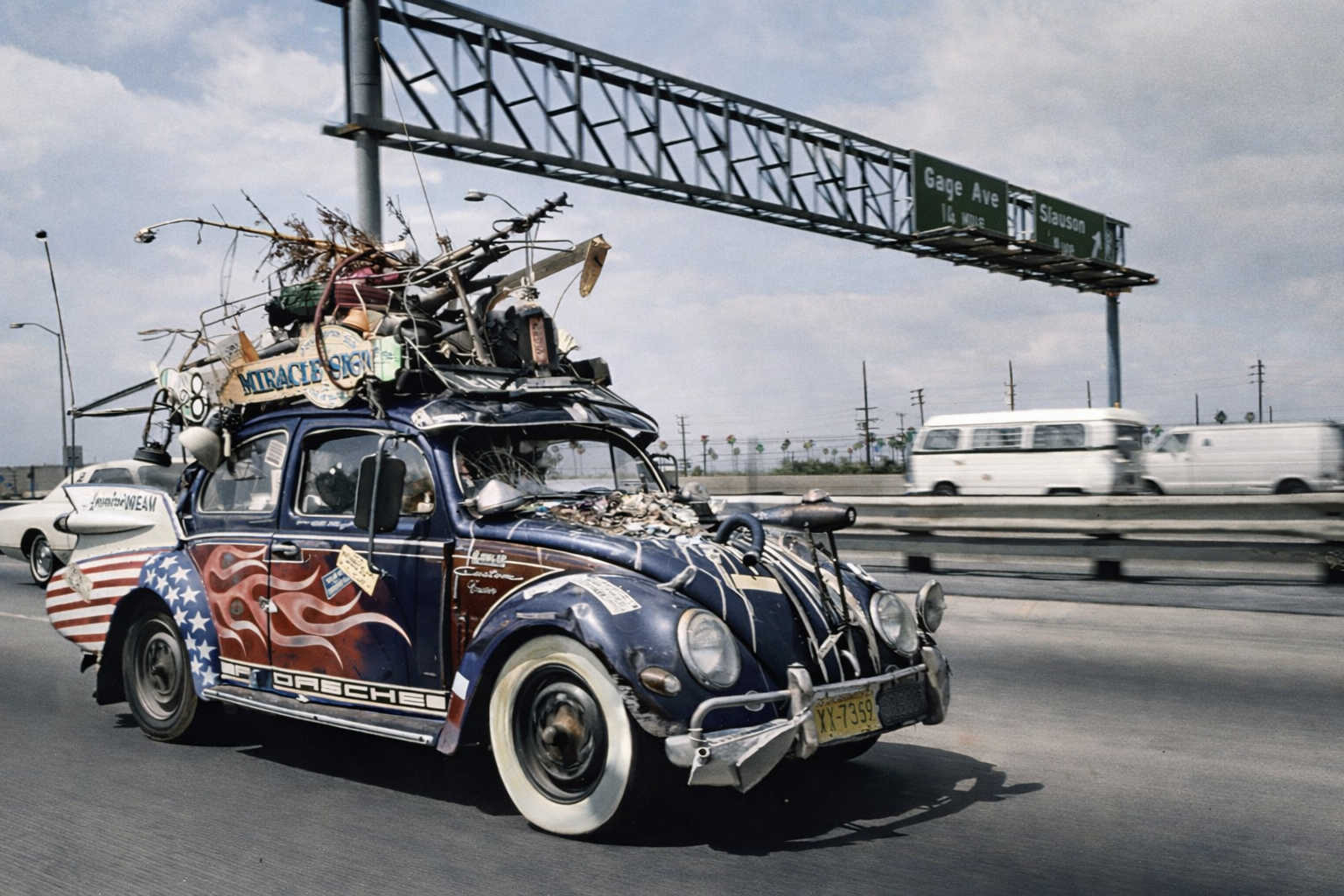
Then came the bootlegs, the offspring that nobody planned for! Dune buggies, Baja Bugs, sand rails and kit cars. An entire DIY culture built around a platform that begged to be modified. The Beetle didn’t ask permission; it invited modification and encouraged it.
Internationally known. Built to last not driving fast.
Volkswagen wasn’t just German for long.
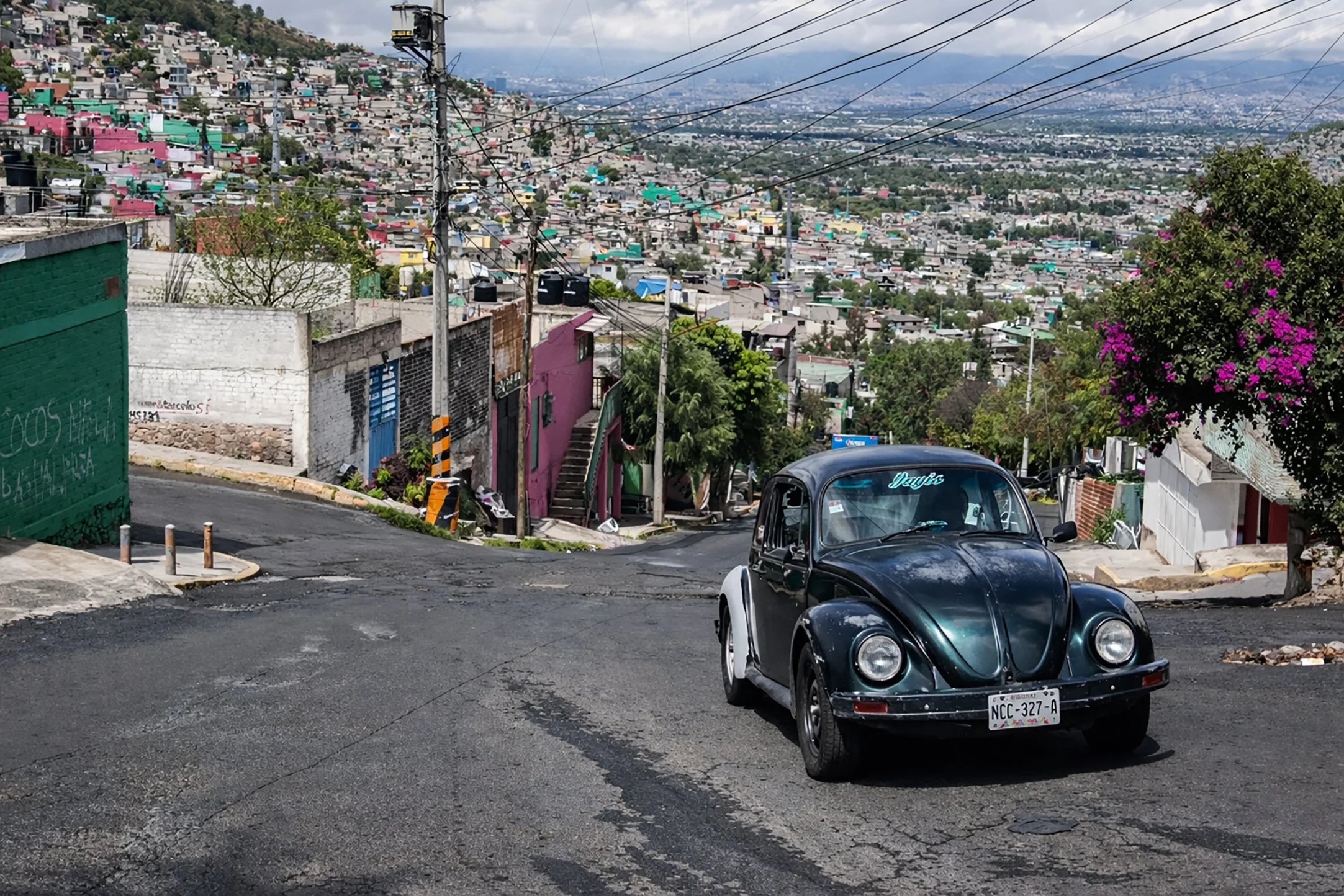
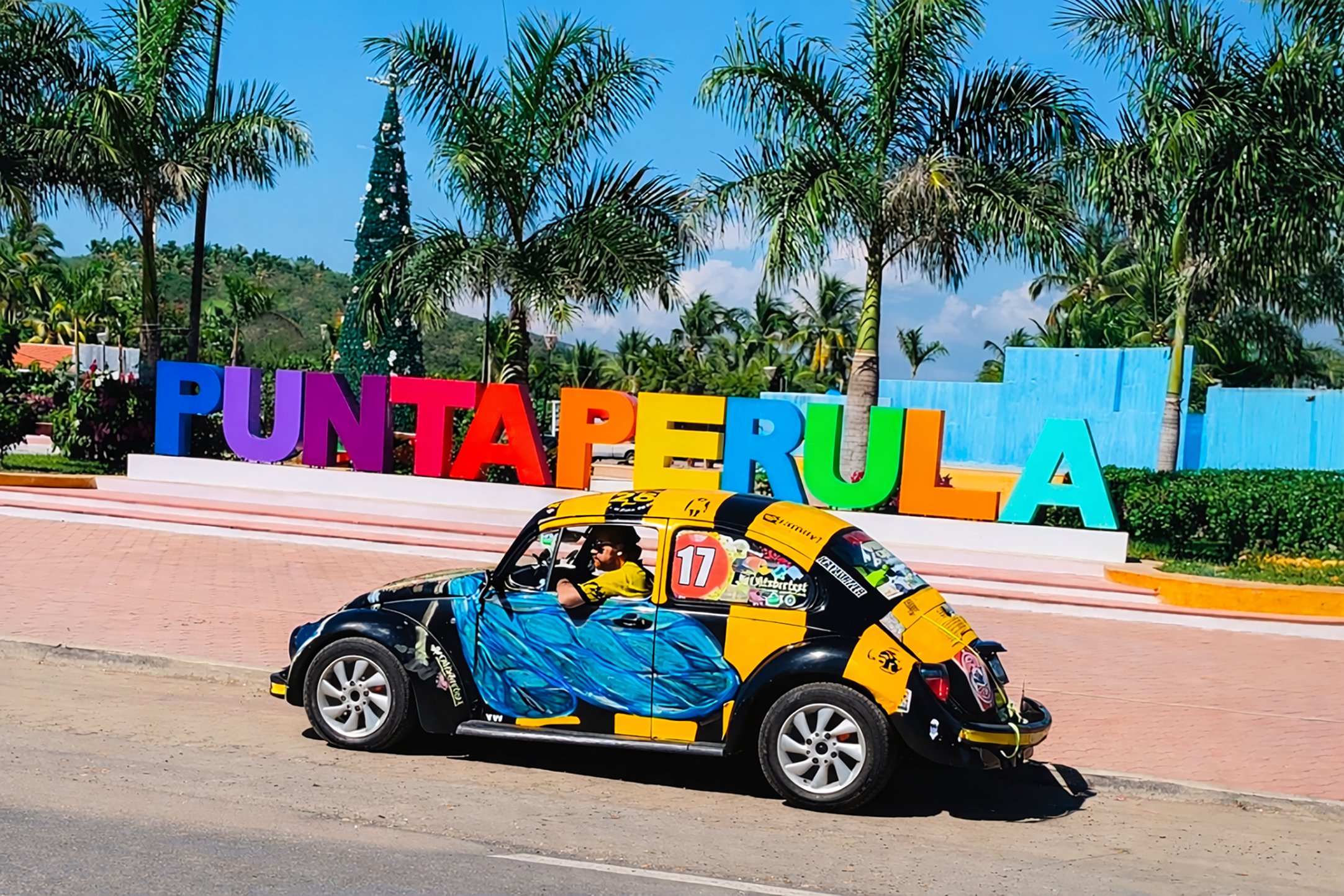
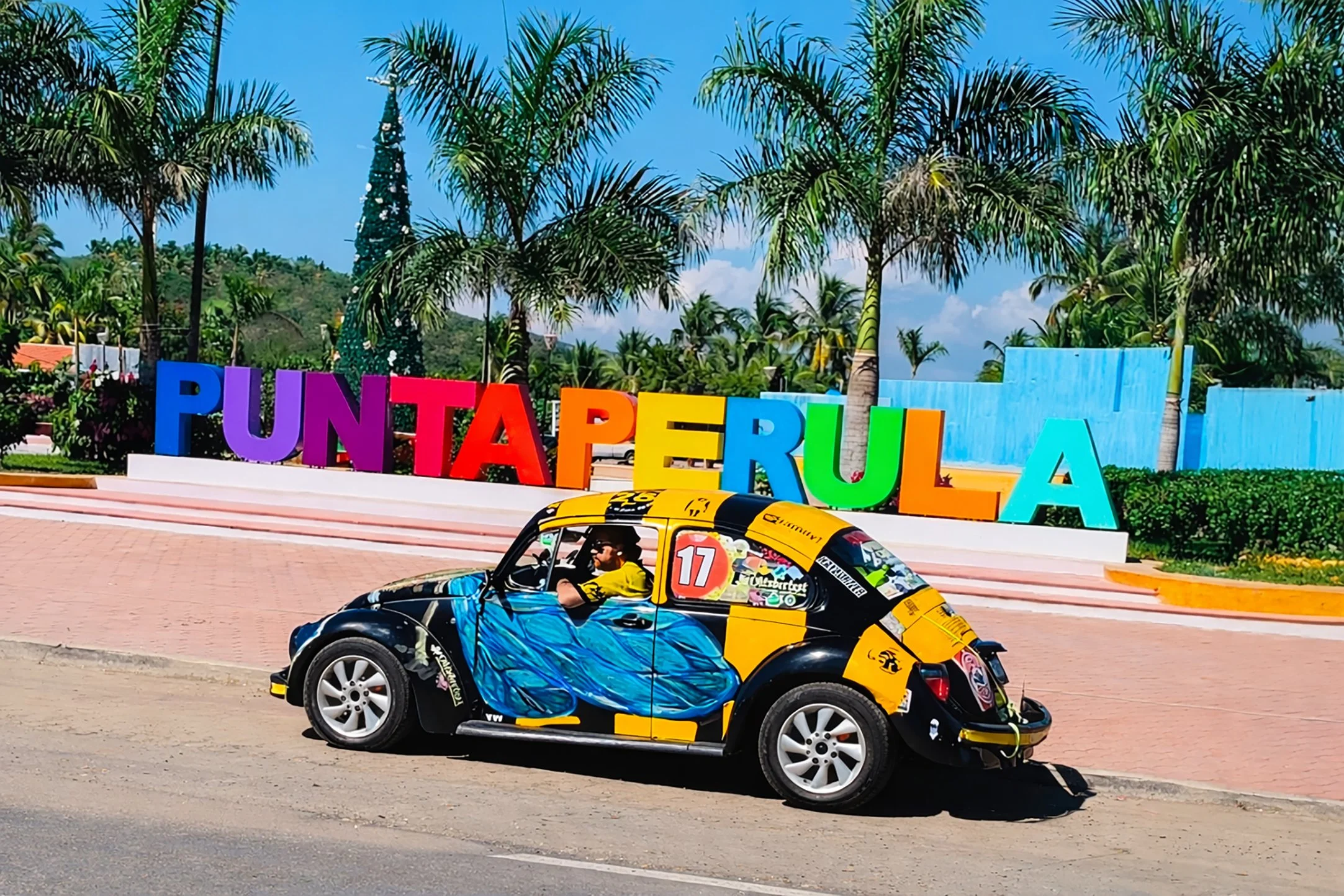
Mexico built Beetles until 2003, long after Europe had moved on, turning many into taxis.
Brazil made air-cooled buses until 2013.
South Africa produced raised, rugged Beetles for brutal terrain and today still has one of the highest VW ownership rates in the world. Australia made its own versions too.
The Beetle became local everywhere it landed. It adapted, survived and positively refused to conform.
The End That Never Really Came
Volkswagen eventually moved on.
In 1974 the Golf arrived to replace it — front-engine, front-wheel drive, modern, sensible.
The Tiguan now outsells everything else and Electric platforms and silent futures are already here.
But the Beetle never really left did it? It’s still in fields, garages, festivals, deserts, beaches, barns and back roads. Still being rebuilt, raced, lifted, slammed, loved. You see them today because people choose them. Not because they’re easy, not because they’re fast. But because they mean something.
Why 80 Years Matters
Even eighty years after mass production began, the Beetle proves a dangerous idea that the most powerful designs aren’t the most advanced. They’re the ones people can take apart, understand, and make their own.
The Beetle was never about speed, status or trends. It was about function, access, and survival.
From a ruined factory in 1945 to a global icon that outlived empires, technologies and fashion cycles, the Volkswagen Beetle didn’t just move people, it belonged to them.
And that’s why, 80 years on, the Beetle isn’t a classic - It’s a survivor.
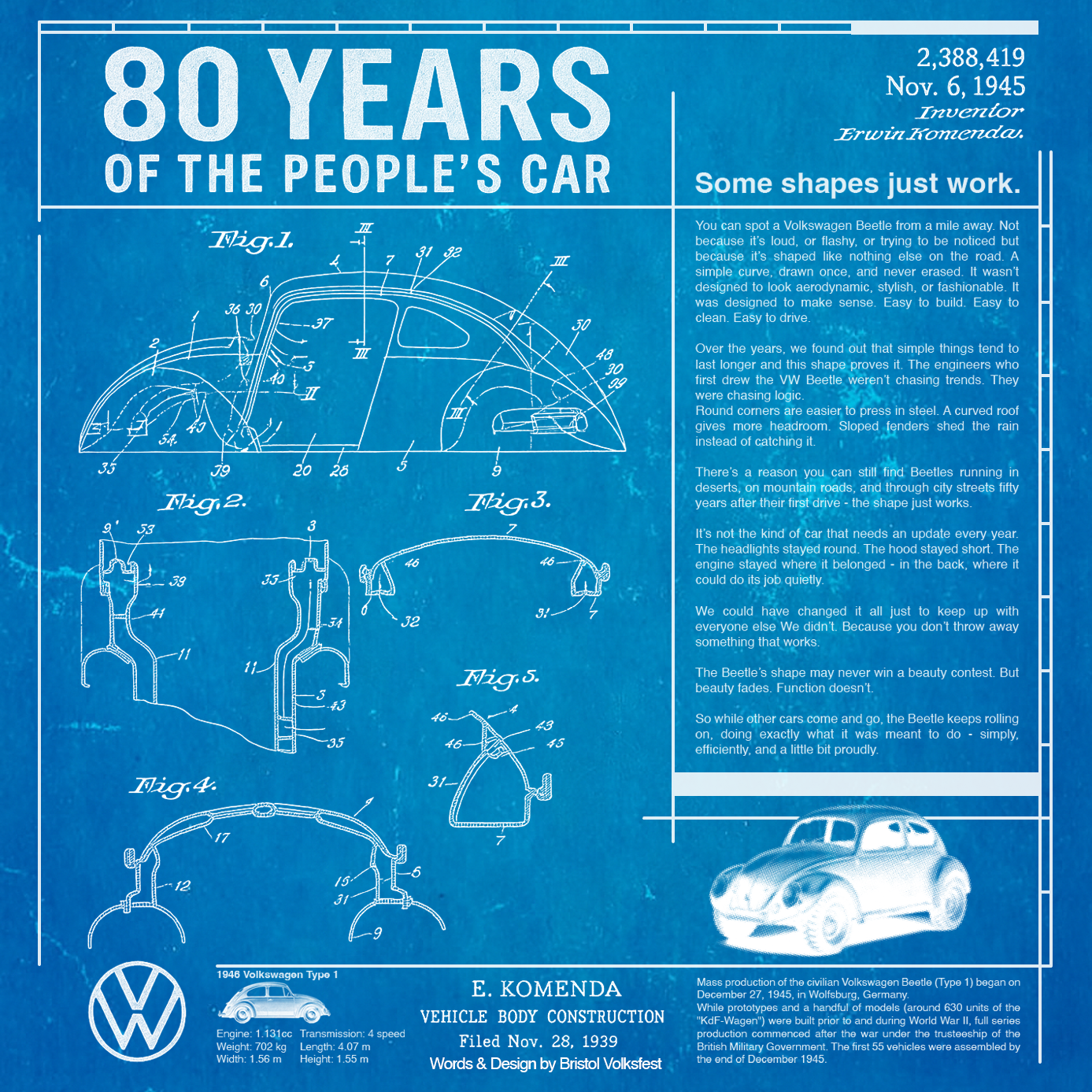
In 2026 we will be celebrating 80 years since Volkswagen started mass production of the Type 1 Beetle for civilian purchase and use.
To mark this mile stone we are looking for a bevy of Beetles to pack out the Air-Cooled arena, to showcase the beauty and ingenuity of the world's most iconic car.
If there ever was an occasion to dust off and roll out something that's been tucked away in the garage - this is it!
Each entrant selected to participate on the day will receive a special 80 years souvenir.
